Español
 Русский
 Francés
 Português
 ภาษาไทย
 Indonesia
 Việt
 العربية
 Melayu



Cultivating Quality To Escape The "Race To the Bottom": How To Enhance Competitiveness In The Veneer Market
Cultivating Quality To Escape The "Race To the Bottom": How To Enhance Competitiveness In The Veneer Market
As a core raw material for plywood, furniture, and decorative panels, the veneer industry is characterized by low barriers to entry and fragmented production capacity—a situation that has long trapped participants in a cycle of cutthroat, low-price competition. Many veneer mills focus solely on unit price, neglecting consistent quality, delivery reliability, and differentiated services, which leads to a continuous erosion of profit margins. To gain a firm foothold and sustainably enhance competitiveness, mills must shift from being mere suppliers of raw materials to becoming comprehensive providers—offering stable quality, cost control, flexible supply, and reliable, compliant operations. By building barriers through technology, industry standards, supply chain management, and superior service, companies can break free from the trap of commoditization and price-based attrition.
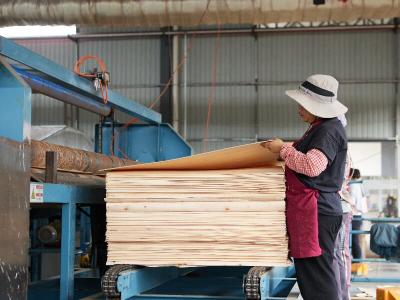
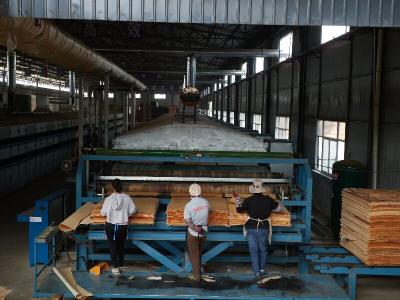
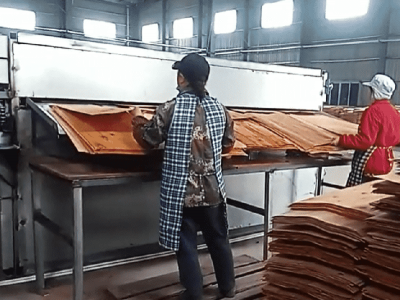
Quality is the foundation of competitiveness in the veneer industry and the primary concern for downstream clients. For plywood and furniture manufacturers, the most critical pain points include inconsistent moisture content, warping, cracking, mold growth, uneven thickness, and disorganized grading. Traditional air-drying methods are highly weather-dependent; during the rainy season, veneers are prone to mold, and moisture levels fluctuate significantly. This often leads to defects—such as blistering, core separation, or total spoilage—during the downstream hot-pressing process, resulting in exorbitant rework costs for the client. To ensure consistent quality, mills must first upgrade their drying processes by adopting controlled, low-temperature drying solutions integrated with intelligent, real-time moisture monitoring. This ensures that moisture content remains within a controlled range across a single batch, resulting in flat, crack-resistant veneers that can be produced reliably year-round, regardless of weather conditions. Furthermore, implementing AI-powered visual sorting systems allows for the precise, automated classification of veneers—distinguishing between first-grade, second-grade, and repaired stock. This ensures clear, consistent grading without the risk of mixed-quality batches, providing clients with reliable incoming material and minimizing disputes. Finally, by developing tailored processes for rotary cutting, drying, and stacking—customized for specific wood species such as eucalyptus, rubberwood, birch, or oak—and scheduling production separately for each type, mills can avoid the quality defects inherent in a "one-size-fits-all" approach. This enables them to meet diverse market demands, ranging from high-end furniture veneers and engineered wood veneers to standard core veneers. Once consistent quality is established, refined cost management becomes the key to sustained profitability. In the veneer industry, the primary cost drivers are raw timber, thermal energy, labor, and material waste. On the raw material side, it is essential to establish stable and diversified procurement channels to mitigate the risks of supply disruptions or price hikes associated with relying on a single source. Timber should be graded and processed strategically—utilizing small-diameter or lower-grade logs, and recovering offcuts and scraps from the rotary-cutting process. Integrating a biomass combustion system allows these residues to be repurposed for heat generation; this not only reduces expenditures on coal or natural gas and aligns with environmental regulations, but also enables the cascading use of waste heat to further lower energy consumption during the drying process. In production, the adoption of automation—such as vacuum-assisted feeding, automatic panel-turning, robotic stacking, and mechanized cross-splicing or patching—reduces the need for manual labor, while simultaneously minimizing surface scratches and defects caused by human handling. Regarding energy management, utilizing drying equipment with superior thermal insulation helps prevent heat loss, keeping energy consumption per cubic meter within an optimal range. Cost control must be integrated throughout the entire workflow: preventing log misalignment during rotary cutting, strictly regulating temperatures during drying to avoid cracking, and ensuring proper moisture control during storage to prevent mold—all with the goal of minimizing scrap rates and the downgrading of product quality. A competitive cost structure is not achieved by compromising quality to lower prices; rather, it means maintaining greater cost flexibility than competitors while delivering the same level of quality, thereby enhancing resilience against market fluctuations.
Compliance and green certifications serve as essential gateways to high-end markets and international orders. Domestically, environmental standards such as ENF and E0 are becoming increasingly stringent, while export markets demand rigorous adherence to certifications like FSC, CARB, and CE. Many veneer mills capable of producing standard core veneers lack the necessary compliance credentials, preventing them from securing orders from high-end furniture manufacturers or international plywood buyers. Companies must proactively upgrade their environmental infrastructure—ensuring that systems like water-film dust collectors consistently meet regulatory standards—and effectively manage industrial emissions and dust to avoid the risks of mandatory rectifications or production halts. Furthermore, businesses should pursue environmental and sustainable forestry certifications, and ensure that all shipments are accompanied by comprehensive documentation, including test reports, moisture content data, and grading specifications. Adopting green, low-carbon production methods not only helps mitigate policy-related risks but also creates a unique market identity. This allows companies to connect with environmentally conscious downstream brands, secure premium-priced orders, and escape the cutthroat, "red ocean" competition typical of the low-end core veneer market.
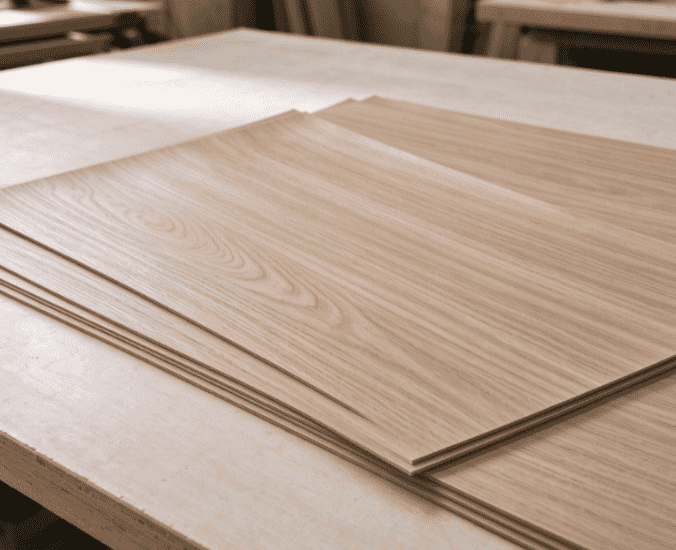
Product differentiation and tiered customer management are essential strategies for breaking free from the trap of commoditization. Rather than producing only generic core veneers, companies should segment their product lines based on specific customer needs: for standard plywood manufacturers, offer cost-effective, reliably delivered core veneers; for furniture and surfacing manufacturers, provide decorative veneers or engineered wood veneers characterized by clear grain, minimal color variation, and high flatness; and for overseas clients, tailor moisture content standards to local climates—ensuring suitability for tropical or arid environments—to prevent warping or cracking after delivery. Furthermore, implementing a customer classification system—distinguishing between major long-term clients, export accounts, and smaller, ad-hoc buyers—enables the provision of value-added services for key accounts, such as price locking, production prioritization, custom specifications, and on-site quality inspections. For smaller clients, the focus should be on small-batch, rapid-turnaround delivery, with flexible adjustments to veneer width and thickness. While many suppliers merely "deliver goods," top-tier suppliers integrate deeply into their clients' downstream processes. By consulting early on hot-pressing techniques, adhesive types, and end-use environments, they can offer expert guidance on moisture content, stacking, and pre-treatment. This helps clients reduce scrap rates during hot-pressing, fostering a deep, strategic partnership that ensures far greater customer loyalty than a relationship based solely on price comparisons.
Supply chain coordination and delivery capabilities serve as core competitive advantages during periods of market volatility. In the veneer industry, raw timber prices fluctuate significantly, competition for stock intensifies during peak seasons, and production capacity is often constrained during the rainy season—leading many factories to accept orders they ultimately cannot fulfill, resulting in the loss of clients. To counter this, companies must optimize production planning by utilizing multiple drying lines, allowing them to balance large-scale orders with urgent, ad-hoc requests. Additionally, establishing a standardized warehousing system—featuring zoned storage, climate control, and moisture protection—ensures the integrity of finished products and prevents damage such as mold or warping during storage. Simultaneously, building long-term strategic partnerships with upstream timber suppliers and downstream plywood manufacturing clusters facilitates the exchange of information. This enables companies to anticipate market trends, secure raw materials, and schedule production effectively—ensuring they neither abandon orders during peak seasons to chase higher prices elsewhere, nor compromise on quality during market downturns. Consistent delivery timelines and a reliable track record in fulfilling orders will, over the long term, position a company as the preferred choice for customers.
Furthermore, building a brand and establishing robust sales channels will amplify long-term competitiveness. Historically, the veneer industry has functioned largely as a commodity trade—driven solely by price, with little regard for the actual manufacturer. Companies can shift this dynamic by developing their own brands, standardizing product specifications, packaging, and quality inspection documentation. By leveraging industry trade shows, short-form video content, participation in timber industry clusters, and international trade platforms, businesses can showcase their production lines, drying processes, and quality control protocols—making the entire manufacturing journey transparent to the customer. Internally, companies should codify standardized operational manuals; externally, they should unify business and after-sales processes. In the event of quality issues, the focus must be on rapid response, thorough review, and corrective action, rather than shifting blame or evading responsibility. Simultaneously, companies should actively diversify their market reach—deepening their presence in domestic hubs like Guangxi and Yunnan, while expanding into overseas markets such as Southeast Asia, Africa, and South Asia—to mitigate the risks associated with a downturn in any single market.
Competition in the veneer industry has long since moved beyond the "lowest price wins" mentality. Future competitiveness will be defined by a comprehensive set of factors: consistent quality, controlled energy consumption, regulatory compliance and eco-friendliness, flexible delivery capabilities, and in-depth customer service. By moving away from a "race to the bottom" on price and instead investing capital into process upgrades, automation, and quality management—while focusing on the specific needs of niche customer segments—companies can build a lasting reputation. This is the only way to secure a firm foothold in a fiercely competitive market and consistently win high-value, stable orders.