Español
 Русский
 Francés
 Português
 ภาษาไทย
 Indonesia
 Việt
 العربية
 Melayu



Methods For Increasing Wood Hardness
Methods For Increasing Wood Hardness
Wood is a porous biomass material, and its natural hardness varies significantly depending on the tree species. Hardwoods—such as oak and birch—possess greater inherent hardness, whereas softwoods—like poplar, eucalyptus, and pine—are softer and more susceptible to dents, surface fraying, and wear. Without changing the raw material itself, various physical, chemical, or thermal modification processes can be employed to enhance the surface or overall hardness of the wood. This improves its resistance to wear and indentation, making it suitable for diverse applications, including furniture, flooring, plywood, wooden pallets, and handicrafts.
I. Thermal Modification: An Eco-friendly, Stable Method for Enhancing Overall Hardness
Thermal modification is a widely adopted, environmentally friendly technique in the wood processing industry. It involves subjecting wood to high temperatures in a low-oxygen environment—a process often referred to as "carbonization."
At high temperatures, the hemicellulose within the wood degrades, reducing the number of hygroscopic (moisture-absorbing) groups. The cell wall structure shrinks and becomes denser, while the overall porosity decreases. This not only significantly increases the wood's hardness but also reduces shrinkage and swelling, minimizes deformation and cracking, and inhibits mold growth.
Standard thermal treatment typically occurs between 160°C and 220°C. Higher temperatures and longer treatment durations result in greater increases in hardness; however, these parameters must be carefully controlled. Excessive heat can cause the wood to lose its toughness and become brittle, making it prone to fracturing. This process is commonly used for veneers, outdoor treated timber, and interior solid wood flooring.
Thermal treatment kilns equipped with waste-heat recovery systems can also help manage energy consumption, making them well-suited for large-scale, industrial wood processing.
II. Resin Impregnation (Resin Treatment): A Common Solution for Strengthening Softwoods
For low-density softwoods—such as poplar, balsa, or fast-growing eucalyptus—resin impregnation is one of the most effective methods for increasing hardness. The principle involves impregnating the cell walls and vessel pores of wood with a low-viscosity resin (such as phenolic, melamine, or urea-formaldehyde resin) under atmospheric or vacuum-pressure conditions. Subsequent heat-curing causes the resin to form a rigid, solid framework within the wood, filling and locking its loose internal structure.
Once impregnated and cured, the wood exhibits significantly higher overall density, hardness, and wear resistance, along with enhanced resistance to indentation. This process serves as the core technology for engineered wood (reconstituted wood) and thick-core plywood.
A drawback is that the impregnation process requires specialized equipment, specifically vacuum-pressure vessels. Furthermore, the resin content must be carefully controlled; an excessive amount of resin can cause the wood to lose its toughness, making it prone to edge-chipping during machining. Additionally, strict environmental compliance is necessary, requiring the use of low-formaldehyde resins to meet export-related environmental standards.
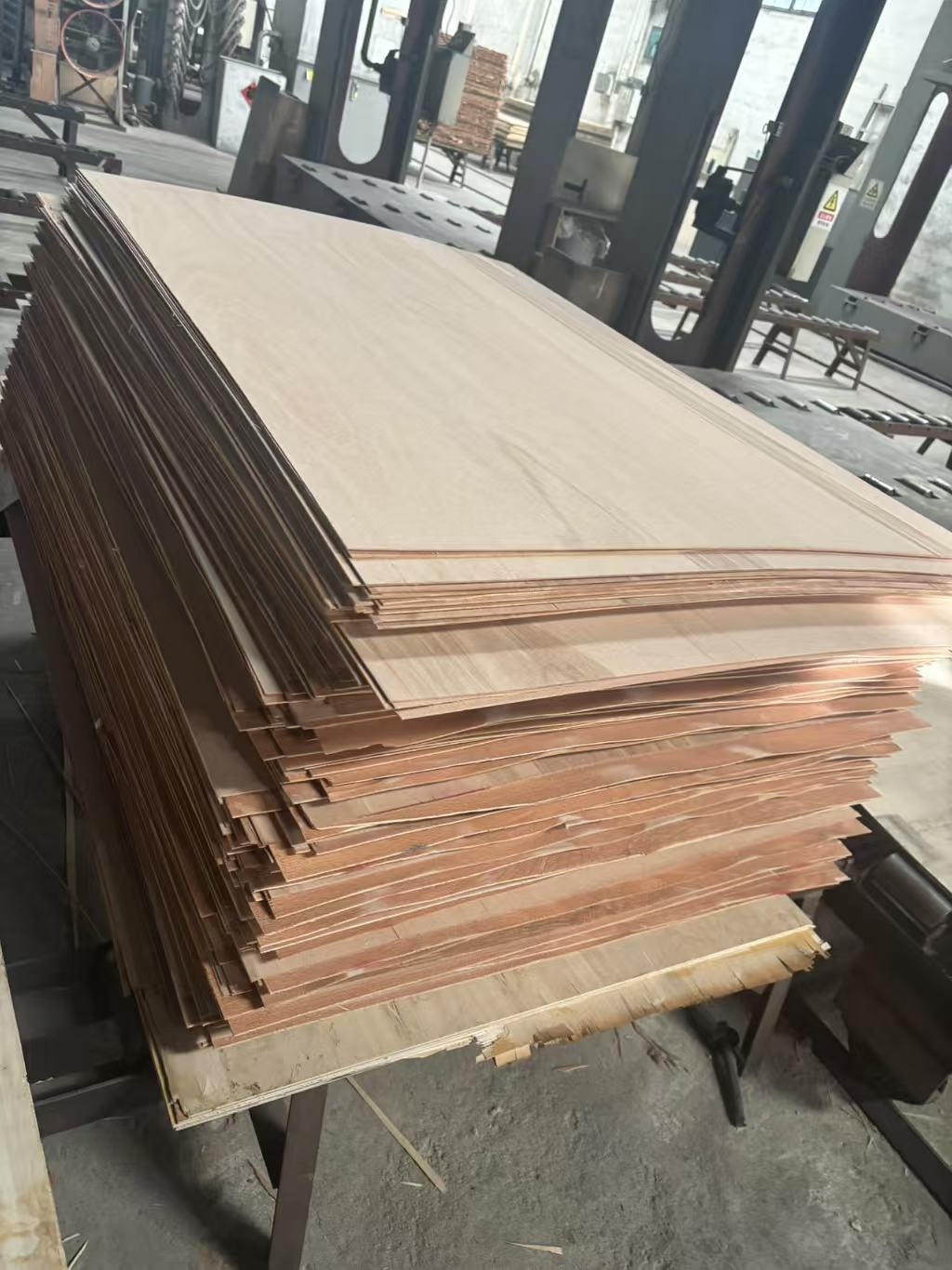
III. Surface Hardening: A Cost-Effective Method To Enhance Surface Hardness
If the goal is not to harden the entire piece of wood, but rather to improve the scratch and wear resistance of its surface, surface hardening is the preferred approach—offering lower costs and greater operational flexibility.
1. Hardening Wood Wax Oils / Polyurethane Varnishes and Wear-Resistant Topcoats: Applying a curable coating to the wood surface creates a high-hardness protective film that guards against scratches and indentations. This method alters only the surface, leaving the internal hardness of the wood unchanged; it is well-suited for solid wood furniture and handicrafts.
2. Surface Densification (Roller Pressing or Hot-Pressing): This process involves applying high pressure to the wood surface under heated conditions. This compresses the cell walls and compacts the pores, rapidly increasing the density and hardness of the surface layer. Often integrated into veneer production lines, this technique results in a denser veneer surface that is less susceptible to denting after lamination. Because the densified layer has a certain thickness, it offers more durable wear resistance than simple surface coatings. A potential disadvantage is that the surface may exhibit some "spring-back" (recovery) if exposed to consistently high ambient humidity.
IV. Impregnation Modification With Salts/Inorganic Reagents
Inorganic modifiers—such as borides, silica sol, or sodium silicate (water glass)—can penetrate the pores of wood. Once solidified, they form rigid inorganic fillers that increase the wood's hardness while simultaneously providing flame-retardant and insect-resistant properties.
This modification method is environmentally friendly, as it does not readily release volatile organic compounds (VOCs). It is primarily used for outdoor wooden structural components and construction timber. Its limitation lies in the relatively weak bond between the inorganic fillers and the wood fibers; under long-term friction, the surface fillers tend to detach, leading to a more rapid decline in hardness compared to resin-impregnated wood. Consequently, this method is rarely used for flooring or tabletops subject to frequent wear.
V. Acetylation: A High-End Stabilization Method
Acetylation is a form of chemical modification. It involves a reaction between acetic anhydride and the hydroxyl groups within the wood, which alters the wood's molecular structure. This process significantly reduces hygroscopicity, stabilizes the dimensions of the cell walls, and enhances both hardness and creep resistance.
Acetylated wood is virtually unaffected by wet-dry cycles and is highly resistant to softening or denting, making it a premium solution for outdoor applications. However, the process is complex and requires significant capital investment in equipment, resulting in high production costs. It is typically reserved for high-end outdoor decking and landscape timber, and is seldom used for standard boards or veneers.
VI. Metal and Mineral Filling/Composite Reinforcement
Another composite approach involves filling the pores of the wood with metal or mineral powders, which are then solidified in place. This results in a substantial increase in hardness, making the material suitable for specialized industrial tooling or wear-resistant components. The drawbacks include the loss of the wood's original texture, a significant increase in weight, and greater difficulty in processing; as such, this method is almost never used for consumer wood products.
How should one choose between these different processes? - For eco-friendly, large-scale processing that also ensures dimensional stability (resistance to warping): thermal modification (heat treatment) is the preferred choice.
- For fast-growing softwoods, veneers, or engineered wood (reconstituted wood) that require overall hardening for use as structural panels: vacuum-pressure resin impregnation is recommended.
- For furniture or handicrafts with limited budgets, where the primary need is scratch and wear resistance: use hardened topcoats or wear-resistant hard-wax oils.
- For veneer production lines, where a quick increase in surface hardness is required: surface densification via hot-pressing is suitable.
- For outdoor projects requiring both pest resistance and flame retardancy: use inorganic silica sol or boron-based impregnation treatments.
Please note: Every process used to increase hardness involves trade-offs. An increase in hardness is often accompanied by a decrease in toughness, making the wood more brittle and less resistant to impact. During production, consider the intended end-use and strike a balance between hardness, toughness, machinability, cost, and environmental standards—avoid pursuing excessive hardness, which can cause the finished product to crack or splinter.