Español
 Русский
 Francés
 Português
 ภาษาไทย
 Indonesia
 Việt
 العربية
 Melayu



Veneer Dryer Wear Parts And Practical Measures To Extend Their Service Life
Veneer Dryer Wear Parts And Practical Measures To Extend Their Service Life
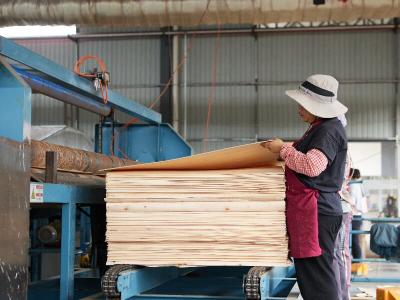
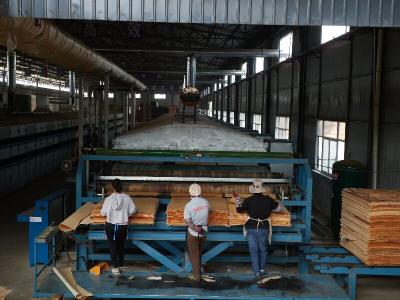
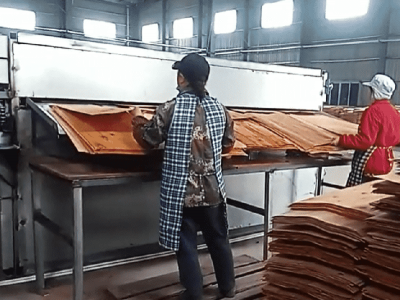
For plywood and engineered wood veneer production lines, veneer dryers are critical equipment that determines output and veneer quality. Operating under high temperature, heavy dust and continuous cycles of over 20 hours a day, transmission components, hot air accessories, seals and sensors are subject to constant wear. Many mills face frequent part replacement, unplanned downtime and high maintenance costs. Identifying the main wear parts and implementing standardized maintenance routines is the most effective way to extend component life and reduce unexpected stops.
1. Main Wear Parts of Veneer Dryers
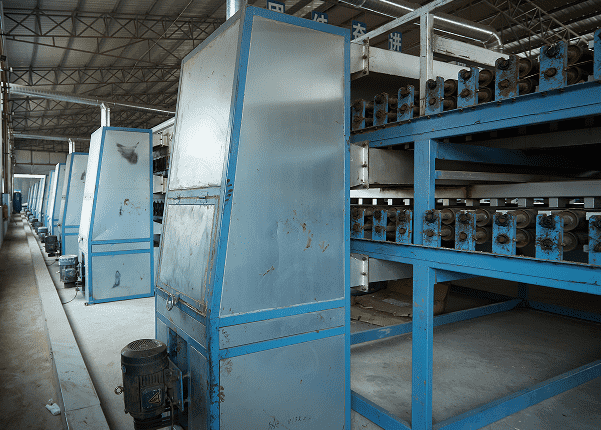
Roller veneer dryers, mesh belt dryers and flip-plate dryers share some common consumables while having their own unique vulnerable parts.
Bearings & Bearing Housings (highest consumption for all models)Including roller bearings, fan bearings and sprocket bearings. Bearings inside the hot zone work in 120–180°C hot air. Wood dust easily penetrates seals, breaks down lubrication and leads to overheating or seizure. These are the failure-prone parts.
Transmission Chains, Sprockets and GearsChains are repeatedly stretched and rubbed during veneer conveying. Dust stuck on meshing surfaces accelerates tooth wear, chain jumping and elongation. For continuous-operation mills, chains require regular replacement.
Conveying Carriers: Rollers / Mesh BeltsFor roller dryers: Roller surfaces suffer friction, thermal deformation and scratches from sand grains on veneers. Worn rollers cause veneer deviation and indentations. For mesh belt dryers: Metal mesh belts endure thermal cycling and cuts from wood splinters, leading to wire breakage and deformation. Mesh belts are usually the most expensive consumable for this type.
Fan Impellers and SealsCirculating fans continuously draw wood dust. Dust buildup causes unbalanced impellers and abrasion. Gaskets and packing seals age rapidly under high heat, resulting in air leakage, lower thermal efficiency and higher power consumption.
Heat Exchange & Burner-related Wear PartsHeat exchanger fins, dust filter screens, burner grates and high-temperature sealing strips. Clogged fins reduce heat transfer and trigger corrosion. Damaged seals cause heat loss and dust ingress into transmission compartments.
Electrical & Inspection ComponentsMoisture content sensors, temperature probes, proximity switches and inverter cooling fans. Dust covering sensors leads to inaccurate readings, improper temperature and airflow adjustment, and accelerated wear of both equipment and veneers.
Other Small ConsumablesHigh-temperature rubber strips, shock pads, V-belts and lubrication pipe fittings.
2. How to Reduce Replacement Frequency of Wear Parts
Short service life is rarely caused only by poor part quality. It usually comes from improper operation, inadequate lubrication, insufficient cleaning, mismatched process parameters and poor feed control. Below are practical maintenance, process and selection suggestions.
2.1 Lubrication: Choose proper grease and follow correct intervals
High-temperature zone bearings must use high-temperature composite lithium grease. Ordinary grease carbonizes quickly inside the dryer.
Hot-section roller bearings: re-lubricate every 15–30 days; normal-temperature bearings monthly.
Chains and sprockets: lubricate weekly with adhesive chain oil that resists hot air evaporation.
Key note: Do not overfill grease. Excess grease mixes with wood dust and forms abrasive lumps, speeding up bearing wear. Sealed bearings only need 1/3 cavity filling.
Gear reducers: first oil change after 500 running hours; subsequent annual replacement (shorten cycles for heavy heat conditions).
2.2 Regular dust removal to cut abrasive wear
Wood dust is the biggest abrasive enemy for bearings, chains and sensors.
Clean gaps between rollers, feeding inlets, fan casings and heat exchangers after each shift.
Periodically remove dust on fan impellers. Imbalance from dust buildup triggers heavy vibration and damages bearings and bases.
Purge return-air filters before dust enters the drying chamber; this also lowers fire risks.
Keep chamber seals intact to prevent dust from drifting into transmission areas.
2.3 Stabilize process parameters; avoid over-temperature, overspeed and overload
Many mills chase higher output by raising hot air temperature and conveyor speed, which drastically shortens component life.
Follow low-temperature slow drying principle; avoid long-time operation above rated temperature. Excess heat accelerates seal aging, grease failure and roller deformation.
Keep feeding consistent. Reject veneers with bark, sand or hard grit, as hard impurities scratch rollers and cut mesh belts.
Align veneers properly to reduce jamming and deviation. Sudden jams create impact loads that snap chains and twist bearings.
Standard startup & shutdown sequence: start circulation fans first, then heat up. When stopping, cut heat source first and keep fans running until the chamber cools down, to protect bearings and seals from residual heat.
2.4 On-site inspection and early adjustment
Set up shift checklists for noise, temperature and vibration.
Listen for abnormal noise from rollers and fans; check bearing housing temperature. Overheating signals lubrication issues or jamming.
Keep moisture sensors clean. Dirty probes lead to chaotic automatic temperature and airflow control.
Check chain tension regularly and adjust in time to avoid overstretching, jumping or breaking. Correct mesh belt and roller deviation; unilateral wear greatly shortens service life.
2.5 Optimize spare part selection and structure
Use high-temperature sealed bearings for hot zones instead of standard room-temperature bearings.
Prefer original heavy-duty chains and mesh belts. Cheap non-standard parts wear far faster in high-temperature dusty environments.
Add dust guards at dust-prone positions or optimize air ducts to reduce direct dust exposure on transmission pairs.
Classify spare parts: separate fast-wear consumables from overhaul parts. Avoid buying low-quality emergency replacements.
3. Summary
Wear on veneer dryer components is inevitable under high temperature, dust and impact loads, but the wear rate can be well controlled. Bearings, chains, mesh belts, fan impellers, seals and sensors are the core inspection items. Precise scheduled lubrication, shift-based dust cleaning, stable drying parameters and regular alignment checks, together with properly selected spare parts, can greatly extend replacement cycles, cut spare-part costs, stabilize veneer drying quality and minimize unplanned downtime for the whole peeling and plywood line.