Español
 Русский
 Francés
 Português
 ภาษาไทย
 Indonesia
 Việt
Việt
 العربية
 Melayu



Green Empowerment And Efficiency Gains In The Veneer Industry
Key Advantages Of Biomass Furnaces Over Traditional Heat Sources
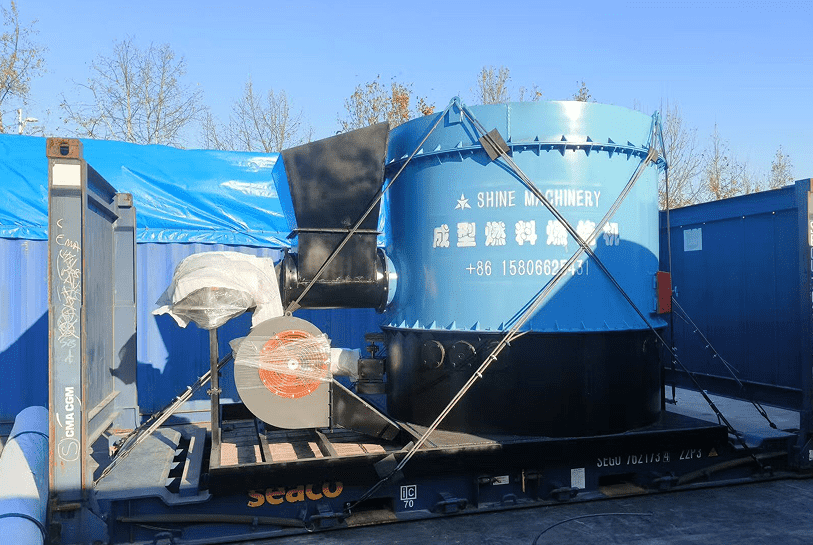
As the "Dual Carbon" strategy deepens and the green transformation of industry accelerates, heat-generating equipment—essential for production heating and industrial processing—plays a critical role; its energy efficiency, environmental impact, and cost-effectiveness directly determine a company's operational profitability and sustainability. While traditional heat sources such as coal, oil, gas, and electric heating have long dominated the market, they suffer from inherent drawbacks: high energy consumption, significant pollutant emissions, high operating costs, and reliance on non-renewable resources. By leveraging technologies that convert agricultural and forestry waste into resources, and utilizing renewable biomass fuel combined with advanced pyrolysis-combustion processes, biomass furnaces overcome the limitations of traditional systems. They have emerged as a preferred upgrade solution for industrial and residential heating, offering multiple, irreplaceable advantages.
I. Low-Carbon, Circular, And Eco-Friendly: Solving the Pollution Challenges Of Traditional Heat Sources
Environmental compliance is a mandatory requirement for modern industrial production and represents the primary advantage of biomass furnaces. Traditional fossil-fuel heat sources have inherent environmental shortcomings: coal combustion generates large quantities of sulfur dioxide, nitrogen oxides, particulate matter, and slag. While oil and gas equipment are cleaner than coal-fired systems, they still release geologically sequestered carbon, thereby exacerbating the greenhouse effect; consequently, their long-term use struggles to meet increasingly stringent emission standards.
Biomass furnaces establish a natural carbon cycle, achieving near-zero carbon emissions. The biomass fuel is derived from agricultural and forestry waste—such as crop stalks, wood chips, rice husks, and fruit shells—materials that absorbed and sequestered carbon dioxide through photosynthesis during their growth. The carbon dioxide released during combustion roughly balances the amount absorbed during the plant's growth, resulting in no net increase in carbon emissions throughout the lifecycle—a perfect alignment with the concept of carbon neutrality. Moreover, biomass fuel has extremely low sulfur and nitrogen content; consequently, emissions of sulfur dioxide and nitrogen oxides during combustion are far lower than those from coal-fired equipment. When paired with the equipment's proprietary high-temperature pyrolysis combustion technology, the fuel burns completely, effectively suppressing the formation of tar and soot. This allows for emissions compliance without complex exhaust treatment systems, prevents secondary pollution (such as waste gas, slag, and wastewater) at the source, ensures easy passage of online environmental monitoring, and thoroughly resolves the issues of mandatory environmental retrofitting or production shutdowns often faced by traditional heat sources.
II. Highly Controllable Costs And Significantly Reduced Operational Expenses
For enterprises engaged in large-scale production, energy costs represent a major operational expense. Compared to traditional heat sources—such as oil, gas, or electric heating—biomass furnaces offer an overwhelming cost advantage, serving as a key driver for cost reduction and efficiency improvement. Traditional fossil fuels are non-renewable resources with limited reserves and volatile market prices; the costs of diesel, natural gas, and industrial electricity remain high, leading to massive cumulative energy expenses over the long term.
Biomass fuels are inexpensive and derived from a wide range of sources, primarily utilizing processed agricultural and forestry waste materials such as pellets and briquettes. These raw materials are widely available and easy to procure, with market prices far lower than those of fossil fuels or electricity. Industry data indicates that the overall operating cost of biomass furnaces is 40%–60% lower than that of oil-fired equipment and 30%–50% lower than gas or electric heating systems, with fuel costs amounting to only about one-third of diesel costs. Furthermore, modern biomass furnaces feature fully automatic continuous feeding and intelligent temperature control systems, eliminating the need for constant manual monitoring and drastically reducing labor and maintenance costs. The equipment ensures thorough combustion and minimal loss, achieving fuel utilization rates far superior to traditional coal-fired furnaces; the absence of significant slag waste further cuts costs associated with consumables and cleanup, resulting in substantial long-term economic benefits.
III. Renewable Energy: Solidifying The Foundation For Sustainable Development
Traditional thermal energy sources—such as coal, oil, and natural gas—are non-renewable resources formed over millions of years of geological evolution. Continuous extraction leads to dwindling reserves, declining supply stability, and escalating procurement costs. Consequently, enterprises face long-term risks regarding energy shortages and price hikes, which undermine production stability and long-term strategic planning.
Biomass energy is a quintessential clean, renewable energy source. Rooted in the circular development of agriculture and forestry, it relies on the stable annual output of waste materials like crop stalks and wood chips—resources that are virtually inexhaustible and free from the risk of depletion. Unlike solar or wind power, which are constrained by weather and environmental conditions, biomass furnaces offer stable energy supply, flexible start-stop capabilities, and peak-load adaptability. Unaffected by the weather, they provide a continuous, steady thermal output. They are ideally suited for applications ranging from continuous industrial production to large-scale district heating, thereby alleviating supply pressures associated with fossil fuels, strengthening the clean energy supply chain, and empowering enterprises to achieve energy autonomy and sustainable development.
IV. Technological Upgrades: Stable, Safe, And Durable Heat Supply
Traditional thermal equipment often suffers from technical limitations. Coal-fired furnaces suffer from incomplete combustion, high heat loss, slow heating rates, and poor supply stability. Oil and gas-fired systems demand high-quality fuel, lack operational flexibility, and pose risks of fire or explosion. Electric heating systems are slow to heat up and inefficient in energy conversion, making them highly cost-ineffective for large-scale heating applications.
Modern biomass furnaces, the product of continuous technological evolution, vastly outperform traditional thermal equipment. These units employ high-temperature pyrolysis, staged combustion, and specialized airflow distribution—complemented by a recirculating hot-air combustion-assist design. This results in exceptionally high fuel burnout rates and significantly improved thermal efficiency, with heat energy recovered and recycled. They deliver uniform heating, rapid temperature rise, and stable operation, precisely meeting the thermal requirements of diverse applications such as drying, space heating, and industrial heating processes. In terms of safety design, the equipment is equipped with a professional flashback prevention device. Its inner lining is constructed from high-temperature resistant high-alumina bricks, while the exterior is cast from high-temperature aggregates; this robust dual-layer structure eliminates issues such as flashback, temperature loss, and equipment damage, ensuring safe, stable operation, a low failure rate, and an extended service life—thereby significantly reducing maintenance and replacement costs. Furthermore, the equipment features a high degree of automation—including intelligent temperature control, automatic feeding, and automatic ash removal—eliminating the need for frequent manual intervention and meeting the demands of large-scale, standardized production.
V. Alignment With Policy Direction and Access To Industry Support Benefits
The state is currently vigorously supporting the development of the clean biomass energy industry, rolling out a series of policies to encourage energy conservation, emission reduction, and green transformation. These policies incentivize enterprises to phase out high-pollution, high-energy-consumption traditional fossil-fuel heating equipment in favor of eco-friendly biomass heating systems.
Unlike traditional high-energy-consumption heating equipment—which often faces challenges such as environmental inspections, energy consumption caps, and penalties for non-compliance—biomass furnaces are classified as key energy-saving and eco-friendly equipment promoted by the state. They align with requirements for green production and the circular economy. By switching to biomass furnaces, enterprises can avoid regulatory risks and easily pass environmental and energy-efficiency inspections. Additionally, they can apply for energy-saving and emission-reduction subsidies and green technical upgrade funds, while benefiting from tax incentives and optimized energy consumption quotas. These advantages facilitate green transformation and upgrading, ultimately enhancing the enterprise's core competitiveness.
From environmental value, economic costs, and energy sustainability to equipment performance and policy alignment, biomass furnaces comprehensively outperform traditional heating equipment powered by coal, oil, gas, or electricity. They resolve industry pain points associated with traditional heat sources—namely high pollution, high energy consumption, high costs, and unsustainability—while delivering multiple benefits: resource recycling, clean and stable heat supply, and low-cost, efficient operation and maintenance. Consequently, they represent the optimal choice for upgrading heat sources in both industrial production and civil heating sectors. Amid the overarching trend of green, low-carbon development, biomass furnaces are poised to become the mainstream equipment for clean energy heating, helping diverse industries achieve a win-win balance of economic, social, and ecological benefits.